Senegal is very easy to explore by car, but it is bigger than it looks on the map: between Saint-Louis and Cap Skirring, allow two days on the road. Rather than a single programme, here are five itineraries calibrated from 3 to 15 days, with real distances, the stops that deserve a night and the mistakes that turn a road trip into a marathon.
Before planning the route: three rules that change everything
Traveller forums all tell the same story: an ambitious programme on paper, then whole days spent behind the windscreen. Three simple rules avoid that trap.
- ▸Four to five hours of driving a day, no more. Crossing towns, checkpoints and roadside markets quickly drag down the average.
- ▸Never drive at night. Unlit carts, animals and pedestrians make night driving risky outside towns.
- ▸Two nights at the major stops. Saint-Louis, the Sine-Saloum or the Casamance can't be discovered between two journeys.
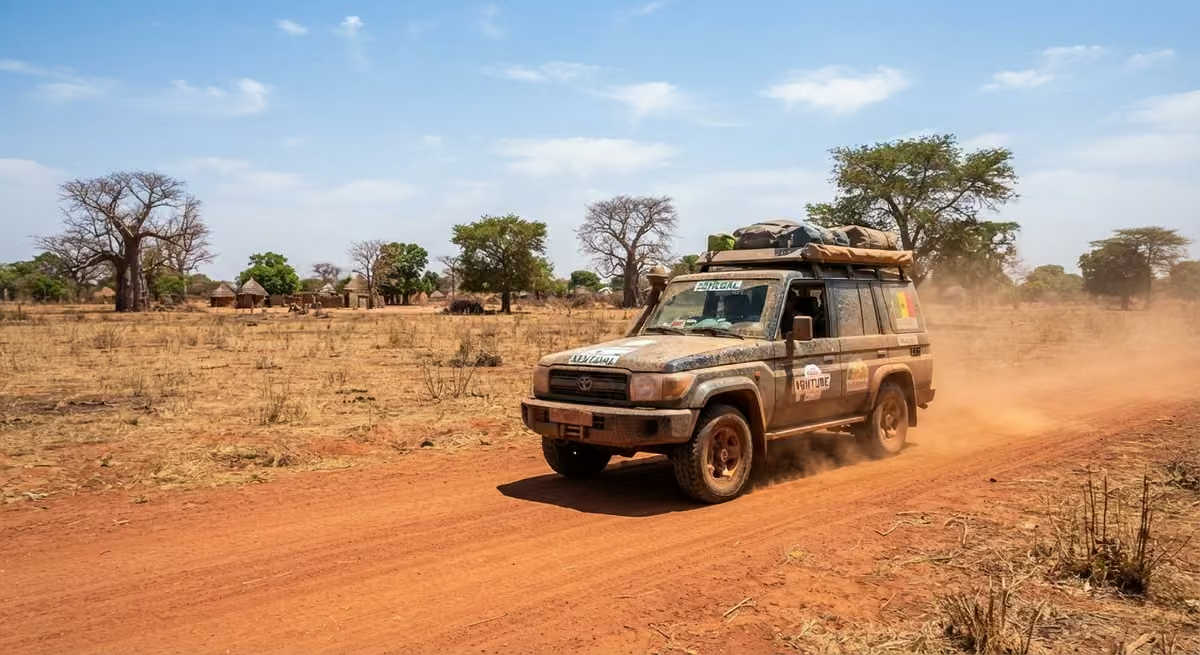
The choice of vehicle follows the itinerary: a saloon car is enough on paved roads, while an SUV or a 4x4 is necessary as soon as you aim for dune camps or bush tracks (our guide to laterite tracks and the rainy season details when a 4x4 becomes essential).
The five itineraries at a glance
| Duration | Regions | Total road (≈) | Who it suits |
|---|---|---|---|
| 3 days | Dakar, Lac Rose, Petite Côte | 250 km | Stopover or first taste |
| 5 days | Petite Côte and Sine-Saloum | 450 km | Nature, sea and pirogue |
| 7 days | The North: Lompoul, Saint-Louis, Djoudj | 700 km | History, desert and birds |
| 10 days | North, Petite Côte and Saloum | 1,000 km | The best of the country without rushing |
| 15 days | North, Saloum then Casamance | 1,300 km | The grand tour, ending in the Casamance |
The distances are ballpark figures, not including detours and excursions on site.
3 and 5 days: the coast and the delta
3 days: Dakar, Lac Rose and the Petite Côte
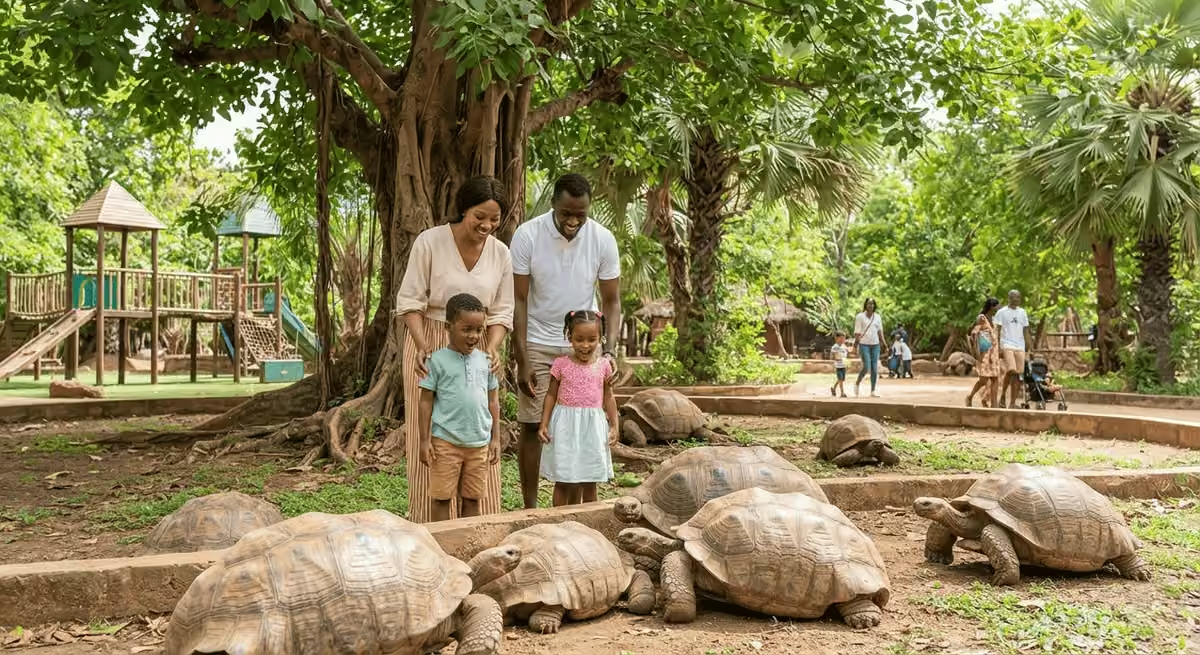
The first day at Lac Rose, about forty kilometres from the capital, with a night on site to enjoy the morning light. On the second day, head down to the Petite Côte via the Bandia reserve and the Somone lagoon, with a night in Saly. On the third, Joal-Fadiouth or Popenguine, then back to Dakar or to nearby Blaise Diagne airport.
5 days: the coast then the Sine-Saloum delta
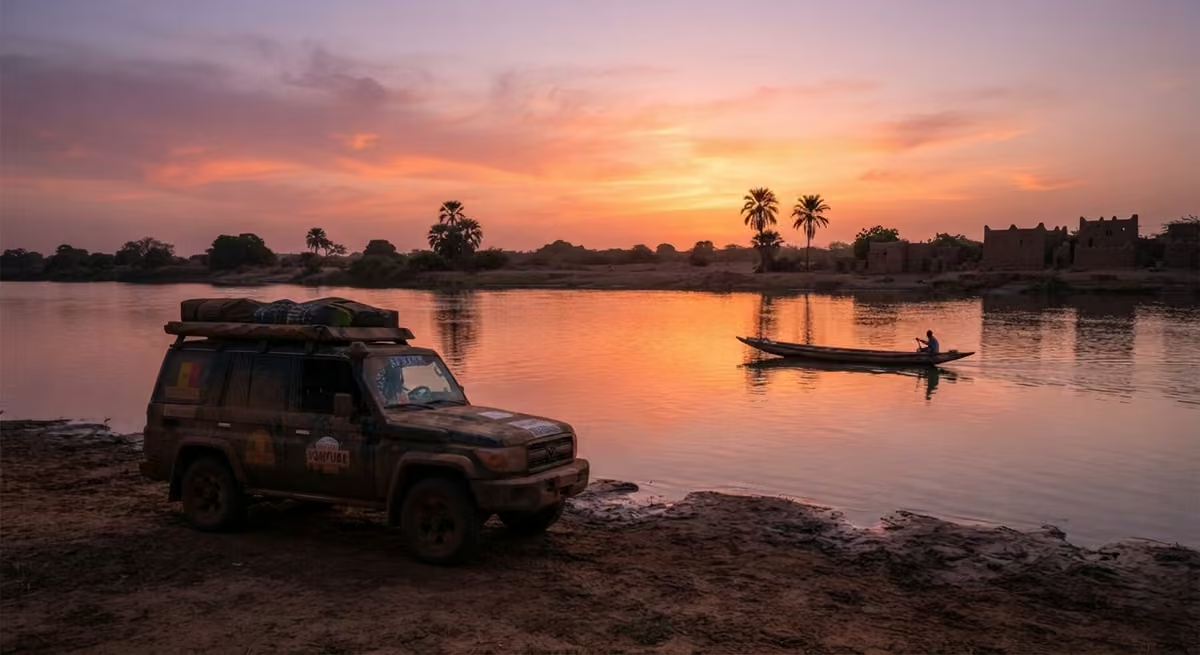
Repeat the first two days, then head south: Palmarin and its salt pits, or Toubacouta and its bolongs, about three hours from Saly depending on the base you choose. Two nights in the delta leave time for a pirogue trip at sunrise and a sunset over the mangrove. Return to Dakar on the fifth day, leaving early.
7 days: the North, from Lompoul to Saint-Louis
- Days 1 and 2: Dakar and Lac RoseVisit the capital, then set off for the lake in the late afternoon.
- Day 3: the Lompoul desertAbout three hours' drive. The tent camps are in the dunes: the last stretch is done in a 4x4, often with the camp's own vehicle.
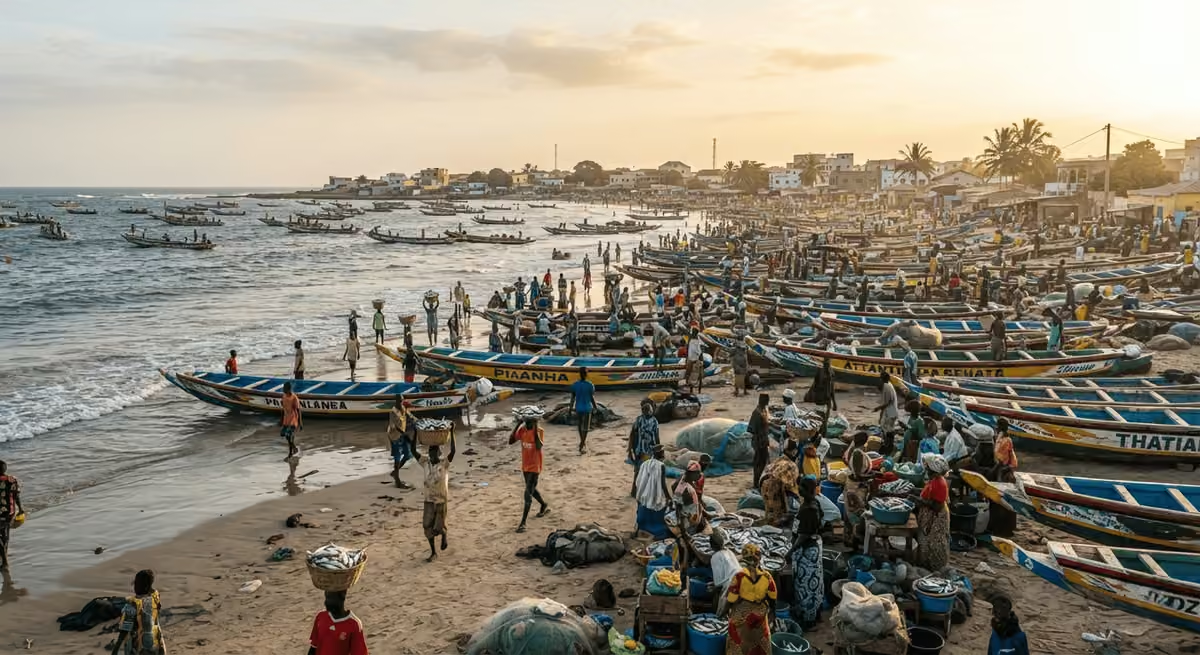
- Days 4 and 5: Saint-LouisThe island listed as a World Heritage Site since 2000, the Faidherbe Bridge, the Guet Ndar fishermen's district and the Langue de Barbarie.
- Day 6: the Djoudj parkAbout sixty kilometres north of Saint-Louis. Bird season from November to April, leave at dawn for the pelicans and flamingos.
- Day 7: back to DakarAbout 265 km and five hours on the road, with a break in Thiès.
For this loop, a car picked up in Dakar works very well. If you prefer to start with the North, car rental in Saint-Louis lets you set off directly from the island.
10 and 15 days: the grand tour
10 days: North, Petite Côte and Sine-Saloum
Chain together the 7-day itinerary in a short version (Lac Rose, Lompoul, two nights in Saint-Louis), then come back down to the Petite Côte for a night, before three days in the Sine-Saloum. This is the most balanced format: each region gets its time, and the longest day on the road remains the one between Saint-Louis and the Petite Côte, to be broken up with a lunch stop in Thiès.
15 days: all the way to the Casamance
After the North and the delta, take the road to the Casamance from the Sine-Saloum. Crossing the Gambia via the Transgambian highway is part of the trip: our guide to the Dakar to Ziguinchor journey by car details the border, the durations and the pitfalls. Then keep three to four days on site: Ziguinchor and its bolongs, then Cap Skirring and its beaches, about 70 km away.
- ▸One-way rental lets you return the car in Ziguinchor instead of heading back up to Dakar.
- ▸The return to Dakar is then made by domestic flight or overnight boat.
- ▸For the reverse, start on site with a rental car in Ziguinchor and head north.
Travellers who prefer eastern Senegal to the Casamance can replace the last week with Tambacounda, the Niokolo-Koba park and Bedik country around Kédougou. Allow two days on the road from the Saloum, and a 4x4 for the tracks. In every case, check the travel advice sheet on diplomatie.gouv.fr before departure, particularly for border areas.
Drive yourself or leave with a driver?
On a short itinerary around Dakar and the Petite Côte, driving yourself works well, with a little care. Over 10 or 15 days, the question deserves some thought: a driver for the whole tour knows the roads, handles the checkpoints and lets you enjoy the scenery, which changes how tired you are at the end of the stay. Many travellers combine the two, driving on the coast and entrusting the big stages to a driver.
Whatever you choose, set off with a full tank on the long stages, keep cash in FCFA for tolls and the unexpected, and download an offline map before leaving the towns. To start from the capital, you can rent a car in Dakar and pick it up as soon as you arrive.
Frequently asked questions
Two weeks lets you link the North, the Petite Côte, the Sine-Saloum and the Casamance, with several long days on the road. Under ten days, it is better to choose one half of the country rather than spend your trip at the wheel.
Not for the main roads, which are paved. An SUV or a 4x4 becomes useful for the Lompoul desert camps, certain Sine-Saloum tracks, rural Casamance and eastern Senegal, especially during the rainy season.
Yes, one-way rental lets you take the vehicle in Dakar and return it in Saint-Louis or Ziguinchor, for example. It saves you from retracing the route in the opposite direction, subject to return fees to be checked when booking.
Aim for four to five hours of driving at most, often 200 to 300 km depending on the state of the road and town crossings. Leave early, arrive before nightfall and alternate the big stages with days without the car.
From November to May, during the dry season: passable roads, bearable heat and, from November to April, bird season at the Djoudj park. During the rainy season, some tracks become difficult and the days on the road get longer.
In summary
Under ten days: choose one half of the country, the coast and the delta or the North. Ten days: combine the two without rushing. Fifteen days: finish in the Casamance with a one-way rental. In every case, the best stop remains the one where you decide to sleep two nights.
Your road trip starts in Dakar
Saloon for the coast, 4x4 for the tracks, driver for the long stages: put together the vehicle for your itinerary.
Book my car in Dakar →