Dakar draws visitors with its energy, beaches, markets and cultural life, but the question of safety often comes up before departure. Senegal remains one of the most stable countries in West Africa, even though the Dakar metropolitan area accounts for a significant share of the petty crime reported by travelers.
The goal isn't to alarm you, but to help you adopt the right habits. With a little vigilance, well-organized travel and reliable accommodation, it's entirely possible to enjoy the city in good conditions.
What you really need to know about safety in Dakar
In Dakar, the most common risk for a tourist isn't serious violence, but petty crime: pickpocketing, bag snatching, exposed phones and opportunism in busy places.
The spots that call for extra attention include Independence Square, the ferry landing for Gorée and certain beaches such as Yoff, where pickpockets and opportunistic theft are regularly reported.
Authorities also advise against displaying jewelry, watches, large amounts of cash or expensive devices, especially in tourist areas or when crowds get denser.

The most common situations and the right reflex
The table below helps you quickly identify the most frequent situations in Dakar and the most useful reaction to stay at ease during your stay.
| Situation | Main risk | Recommended reflex |
|---|---|---|
| Market, crowded area, ferry landing | Pickpocketing or discreet theft | Bag closed in front of you, phone put away, cash spread out |
| Taxi hailed on the street | Inflated fare or longer route | Negotiate before getting in, or prefer a solution booked in advance |
| Beach or night walk | Opportunistic assault | Avoid isolated areas and return via organized transport |
| Persistent solicitations | Commercial harassment or fake service | Answer briefly and politely, then move on |
| Suspicious street check | Fake officer or improper request for money | Ask to be taken to the nearest official station |
Transport: the real, often underestimated issue
A large part of the feeling of insecurity in Dakar comes from poorly planned travel. Regular taxis can be problematic when the fare isn't fixed beforehand, while a solution booked in advance generally offers more clarity and comfort.
To organize your trips, you can check this page dedicated to car rental in Dakar, which presents several options suited to your stay.
The self-drive option offers more freedom, but it assumes you're comfortable with heavy traffic, pronounced rush hours and sometimes unpredictable local driving.
To limit stress, many travelers prefer a car with driver, particularly useful for late arrivals, appointments or evening outings.
To discover the city without improvising, a guided tourist tour with a local guide also helps avoid risky routes, confusing areas and pushy intermediaries.
Here's a simple comparison of the most relevant options for a visitor.
| Option | Safety level | Risk of being scammed | Recommended use |
|---|---|---|---|
| Regular taxi | Medium | High | Occasional short trips |
| Ride-hailing (VTC) | High | Low | Planned urban trips |
| Car rental with driver | Very high | Very low | Comfortable stay and late outings |
| Self-drive rental | Low to medium | Medium | Independent travelers used to driving |
| Local guide | Very high | Very low | Guided cultural discovery |
An often overlooked angle: accommodation, money and withdrawals
Many articles talk about streets and beaches, but overlook a key point: the quality of your accommodation strongly influences the level of safety you experience. Official guidance recommends favoring accommodation with proper security measures, locking doors and windows, and limiting valuables left visible in the room.
It's also best to avoid withdrawing large sums at once and to avoid handling money visibly in public. Discretion remains one of the best reflexes in a large tourist city.
An angle not covered enough: weather, roads and the rhythm of the city
Safety in Dakar doesn't depend on crime alone. During the rainy season, from July to October, some roads can become harder to use and travel gets more complicated depending on the area and weather conditions.
On top of that, there's heavy traffic on major urban roads, which increases fatigue, the risk of a collision and late returns. When your schedule is packed, it's better to group visits by area and avoid improvised trips at the end of the day.
Beaches, markets and nightlife: where to be more careful
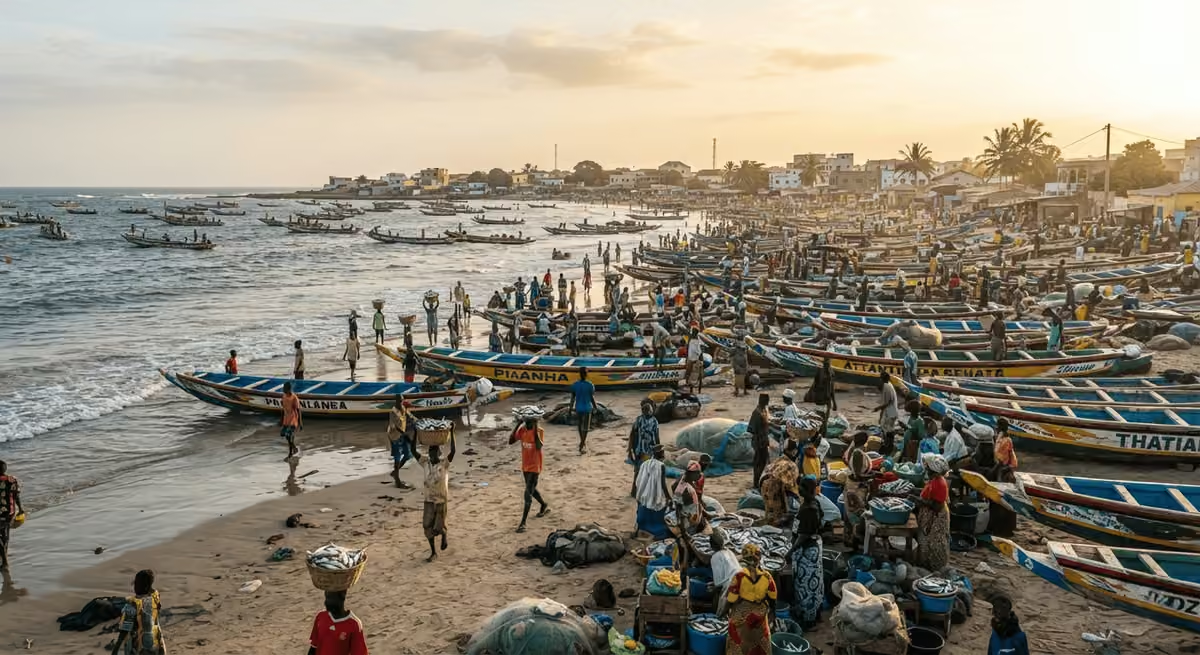
Dakar's beaches are among its most pleasant spots, but some become noticeably less reassuring after dark, especially when they're not busy. This is particularly true of Yoff, where travelers are advised to be very cautious.
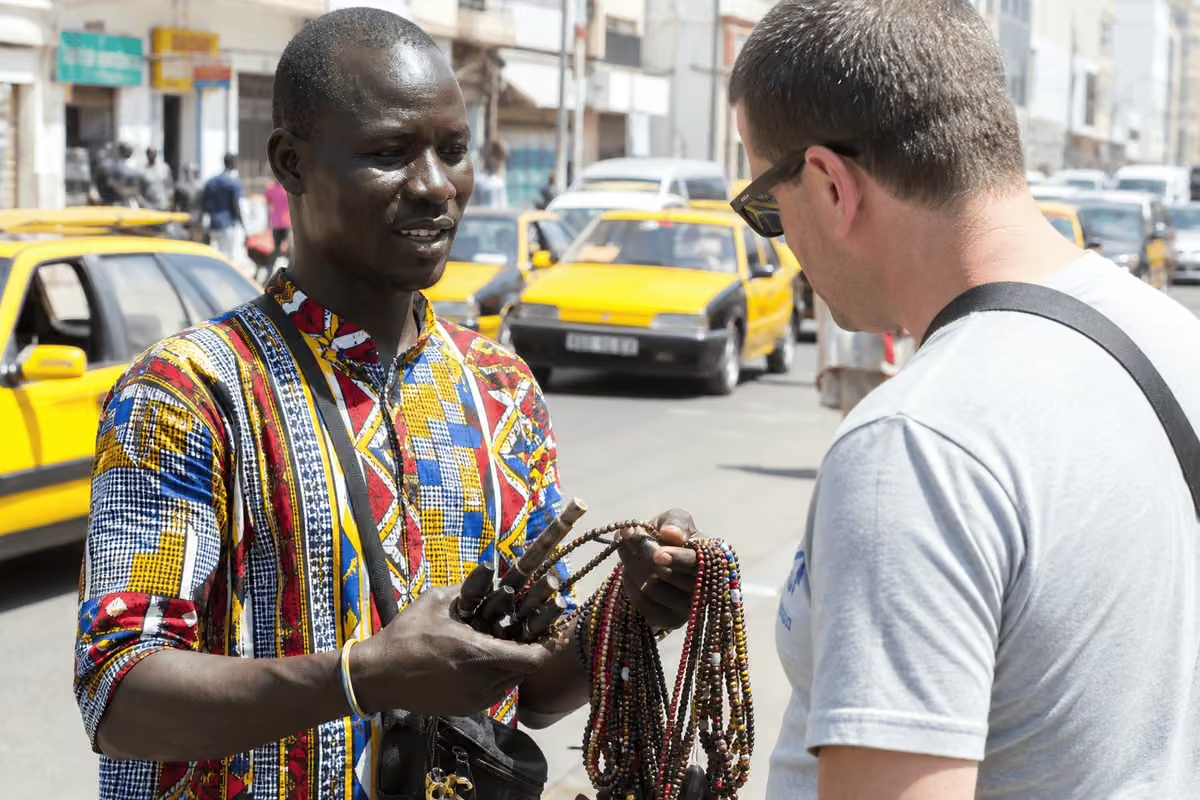
In markets and around tourist sites, theft isn't the only issue. Commercial harassment, sometimes locally called "bana-bana", can become tiring for an unprepared visitor, even if it doesn't necessarily lead to real danger.
The best reflex is to stay calm, avoid long unnecessary discussions, not take out your wallet too early, and clearly confirm prices before any purchase or service.
Legal framework: an aspect not to overlook
Travel safety also depends on understanding the local legal framework. Senegal applies strict drug legislation, with heavy penalties for possession, use or trafficking.
The legal framework is also very strict regarding homosexuality. A law enacted on March 30, 2026 increased penalties for same-sex relationships and extended repression to the "promotion" or "support" of LGBT people.
Useful numbers and what to do in case of a problem
In case of an accident or emergency in Dakar, official traveler guidance indicates contacting the central police station at +221 33 823 71 49 or +221 33 823 25 29, as well as the gendarmerie at +221 33 800 20 20.
Keeping these contacts saved before departure, along with a digital copy of your identity documents and bookings, saves a lot of stress if an incident occurs during your stay.
Visiting Dakar in good conditions
Dakar isn't a city to avoid, but a city to understand. By planning your travel, choosing the right times, avoiding displays of wealth and favoring reliable transport solutions, you significantly increase your comfort level on site.
To build a smoother stay, you can start from a simple base: book a mobility solution in Dakar, choose between self-drive and with driver based on your needs, then plan a guided tourist tour with a local guide for your days of discovery.
Visit Dakar with peace of mind
Reliable rides, late arrivals, evenings out: a private driver is the foundation of a stress-free stay.
Travel with peace of mind →